Thinking about selling your Swanton lake home but unsure where to start? Deep Creek Lake has its own rhythms, rules, and buyer expectations that can either slow you down or set you up for a clean, confident sale. You want fewer surprises, the right timing, and a plan that keeps stress low while protecting your bottom line. In this guide, you’ll learn how to prepare, what documents to gather, which inspections matter most, and how to show off the lake lifestyle buyers come to see. Let’s dive in.
Understand the Swanton lake market
Many neighborhoods with a Swanton mailing address are part of the Deep Creek Lake market. Buyers here often include second‑home seekers, short‑term rental investors, and some full‑time residents. The lake is a four‑season destination, so demand often builds in spring and summer and can stay active into ski season.
Set expectations for pricing and timing early. Local market snapshots show elevated list prices around the lake and longer average days on market compared with urban areas. You can review current county trends in the Garrett County housing market report and follow Deep Creek Times market commentary to stay aware of seasonal momentum.
Know your Maryland requirements
Getting disclosures and inspections right protects your deal timeline. A little upfront organization goes a long way.
Maryland disclosure timing
Maryland sellers must provide buyers with either a Residential Property Disclosure Statement or a Residential Property Disclaimer Statement. State law outlines what is covered and gives buyers limited rescission rights if they do not receive the form before contract. Plan ahead so your disclosure is ready to share at first inquiry. You can read the statute in Maryland Real Property §10‑702.
Lead-based paint for pre‑1978 homes
If your home was built before 1978, federal law requires you to provide the EPA/HUD lead pamphlet, disclose known lead hazards, and allow buyers a period to conduct a lead risk assessment or inspection. Have the pamphlet and any past lead records ready. Learn more from the EPA lead disclosure guidance.
Septic and private well basics
Most lake‑area homes rely on on‑site septic and private wells. Maryland requires that property‑transfer septic inspections be completed by a licensed inspector, a rule that helps standardize results during a sale. Scheduling a pre‑listing septic pump‑out and, if needed, a property‑transfer inspection can prevent a last‑minute scramble. See the state’s overview of on‑site systems and inspector licensing on the Maryland Department of the Environment site.
For wells, routine testing is often left to individual owners and local agreements. Sharing a recent lab report for bacteria and nitrates reduces buyer anxiety and speeds underwriting. Background on private well testing practices is available from this policy overview on well safety and testing.
Docks, slips, and shoreline
Deep Creek Lake is managed by Maryland DNR. The shoreline buffer, private dock authorizations, and improvement rules flow through DNR policies. If your property includes a private dock, a slip assignment, or past shoreline work, gather your paperwork now and be ready to disclose any conditions or approvals. Start with the Deep Creek Lake NRMA overview and buffer guidance.
Your pre‑listing timeline
Think like a great kitchen: good prep makes service smooth. Work backward from your ideal launch date and follow this timeline to cut stress and keep your sale moving.
8–12 weeks out: Plan and gather
- Choose a local lake‑experienced listing agent who understands docks, HOA nuances, and seasonal demand.
- Collect key documents: deed and survey, HOA or POA covenants, dock or slip agreements, septic permits and maintenance records, well logs and recent water tests, rental income reports if applicable, plus invoices for major repairs or insurance claims.
- Consider a pre‑listing home inspection to prioritize fixes. If issues surface early, you can decide what to repair and what to disclose. Maryland’s disclosure rules reward early organization.
- If septic records are missing, schedule a property‑transfer septic inspection with a licensed inspector. Build in time for permits and repairs if something is flagged.
4–6 weeks out: Fix and book
- Tackle safety and system items first: smoke and CO alarms, HVAC service, roof flashing checks, septic pump‑out if needed, and a well test for bacteria and nitrates.
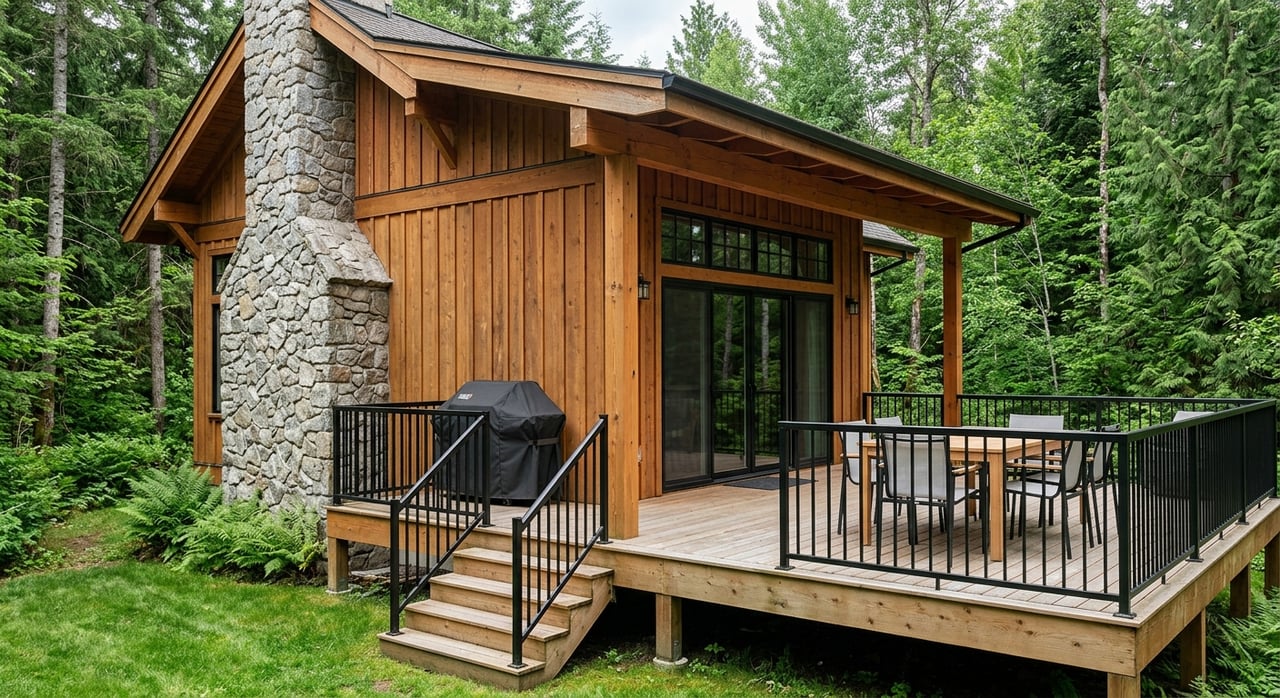
- Make light cosmetic updates with high impact: fresh neutral paint, repair loose railings, tidy exterior trim, replace broken screens, and clean or repair decking and paths to the water. Keep cabin character, but reduce personalized decor.
- Book a professional photographer and request aerials, floor plans, and a virtual tour. Buyers value strong visuals. The National Association of Realtors notes that photos and online listing content are top decision drivers, and for lake homes, aerials and twilight images can stand out. See the NAR buyer and seller trends summary for context on what buyers value in listings.
1–2 weeks out: Stage and finalize
- Deep clean and declutter. Remove extra furniture and personal items. Stage the living area, kitchen, primary bedroom, and outdoor spaces.
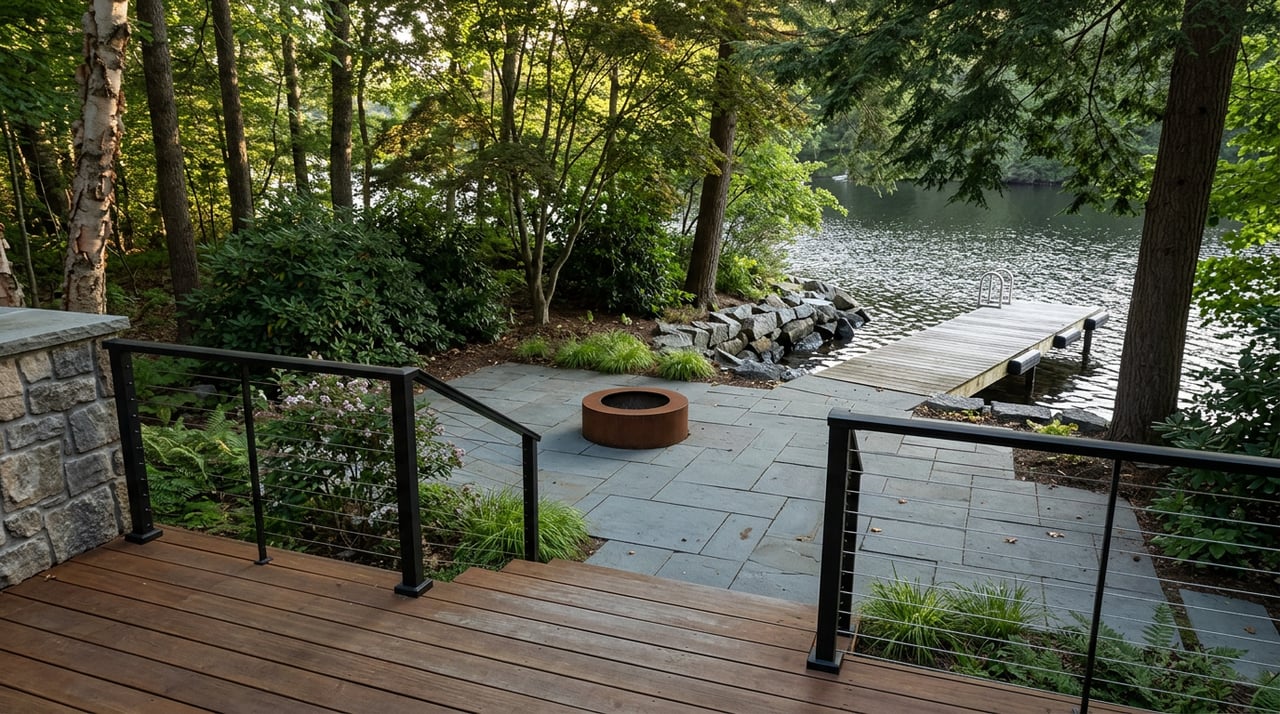
- Feature the lake lifestyle: open sightlines to the water, set the firepit, arrange chairs on the deck, and tidy the dock area.
- Build a digital disclosure packet as a single folder to share quickly. Include the Maryland disclosure or disclaimer, the lead pamphlet if applicable, septic and well records, HOA documents, dock and slip paperwork, and any rental histories.
Listing week: Launch with intention
- Time your photos for a clear day and calm water. Capture both daytime and twilight.
- Go live on the MLS with your full disclosure packet attached or ready to send to qualified buyers.
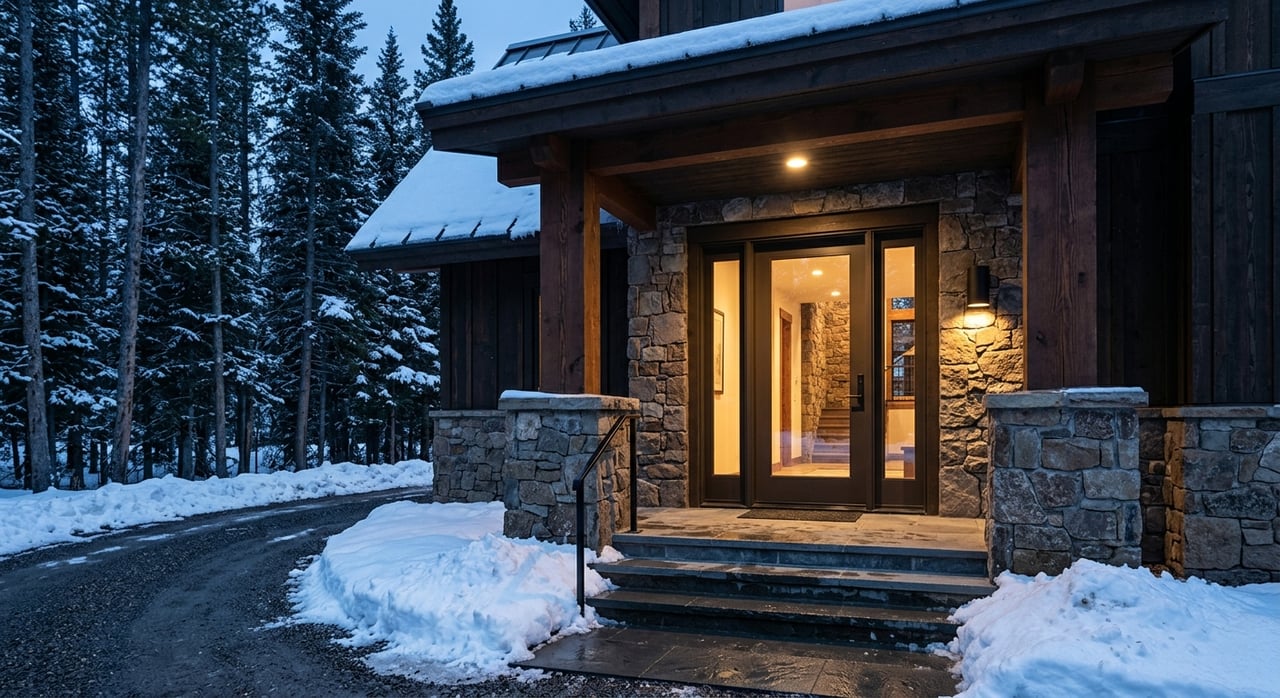
- Schedule showings or open houses around peak demand windows. Summer weekends and ski season often see the most traffic. Use local channels and seasonal messaging to reach out‑of‑town buyers and investors who plan trips in advance.
Coordinate the right vendors
Lake sales move faster when your vendor bench is set early. Line up:
- Listing agent with Deep Creek experience
- Licensed property‑transfer septic inspector
- Certified well testing lab
- Professional photographer and drone operator
- Home stager or styling support
- Licensed contractors for repairs
- Dock or marina contractor for documentation or repairs
- Pest or termite inspector if needed
Common surprises include septic failures found during buyer inspections, well tests showing bacteria or nitrates, or unclear dock permissions. Getting a licensed septic inspection and recent well test now minimizes renegotiations later. For septic rules and licensed pros, review the MDE onsite systems guidance. For well testing context, this well safety and nitrate overview explains why sharing recent results helps buyers stay confident.
If your home has a rental history, prepare calendars, booking reports, and occupancy‑tax receipts. Investors and their lenders will ask. You can reference market context for STR seasonality using this McHenry and Deep Creek area STR snapshot.
Show the lake lifestyle
Buyers do not just buy square footage on the lake. They buy mornings on the dock, evening fires, and easy access to the water. Your media should answer that feeling in a clear, high‑quality way.
- Ask for aerials that show proximity to the shoreline, community amenities, and approach roads.
- Capture sunset and twilight images that highlight reflections and lighting.
- Include a simple floor plan and a short, steady video or 3D tour so out‑of‑town buyers can tour remotely.
- Add clear captions that call out the dock arrangement, outdoor living zones, and seasonal storage spaces.
Pricing and timing with seasonality
Timing is part of strategy at Deep Creek. Spring and summer align with boating and family trips, while winter supports ski‑season interest for some properties. Local conditions like inventory and recent sales should drive your final launch date and price position. Follow the Garrett County market report and the Deep Creek Times updates to stay aligned with buyer momentum.
When setting price, weigh features buyers ask about most: verified dock or slip details, modern systems, rental potential with documentation, usable outdoor spaces, and easy maintenance. Strong presentation and complete documentation can justify a firmer price and reduce concessions.
What to include in your digital packet
A complete, easy‑to‑share packet helps serious buyers move quickly and keeps your deal clean. Organize it as a labeled PDF folder with:
- Maryland Residential Property Disclosure or Disclaimer Statement
- EPA lead pamphlet and any lead reports for pre‑1978 homes
- Septic permits, pump‑out logs, and any inspection reports by a licensed property‑transfer inspector
- Well logs and recent water test results
- HOA or POA covenants and fee schedule
- Dock authorization, slip assignment, and any DNR shoreline correspondence
- Recent repair invoices and system service records
- Rental history, calendars, gross income, and occupancy‑tax receipts if applicable
Extra risk reducers buyers appreciate
- Consider a radon test and share results, since the EPA recommends testing all homes. Learn more from the EPA radon guidance.
- If your septic system uses advanced treatment, include any service contracts or maintenance logs. The University of Maryland Extension overview of septic technologies explains why documentation matters to performance.
- Provide a simple one‑page “house manual” that lists utility providers, trash and recycling info, seasonal service contacts, and any shoreline maintenance notes.
Ready to sell with calm and confidence
With clear prep, smart timing, and complete documentation, you can remove friction from your sale and let the lake setting shine. If you want a calm, hospitality‑driven plan that handles details start to finish, connect with Adam Murray to map out your timeline and launch with confidence.
FAQs
What should I fix before selling a Swanton lake home?
- Prioritize safety and systems first, then quick‑impact cosmetics. Use a pre‑listing inspection to decide, and remember that complete documentation often matters as much as doing every repair.
Do I need to test my private well and inspect the septic?
- Yes, it is common around Deep Creek to share a recent well test and a septic inspection by a licensed property‑transfer inspector, which reduces surprises and buyer anxiety.
When is the best season to list at Deep Creek Lake?
- Spring and summer often see the most lake‑use traffic, while winter supports ski‑season interest for some homes, so build your plan around current inventory and seasonal demand.
How do I prove my dock or slip rights to buyers?
- Gather DNR authorizations, community or HOA agreements, and any correspondence about the shoreline buffer or improvements so buyers can verify use and conditions quickly.
What if my home was built before 1978?
- You must provide the EPA/HUD lead pamphlet, disclose known hazards, and allow time for a lead inspection period, so collect past records and be ready to share them early.
Will strong photos really help my Deep Creek listing?
- Yes, buyers rely on listing photos, floor plans, and tours, and for lake homes, quality aerials and twilight shots can make your property stand out to out‑of‑town shoppers.