Guide To Buying A Second Home In McHenry
April 2, 2026
April 2, 2026
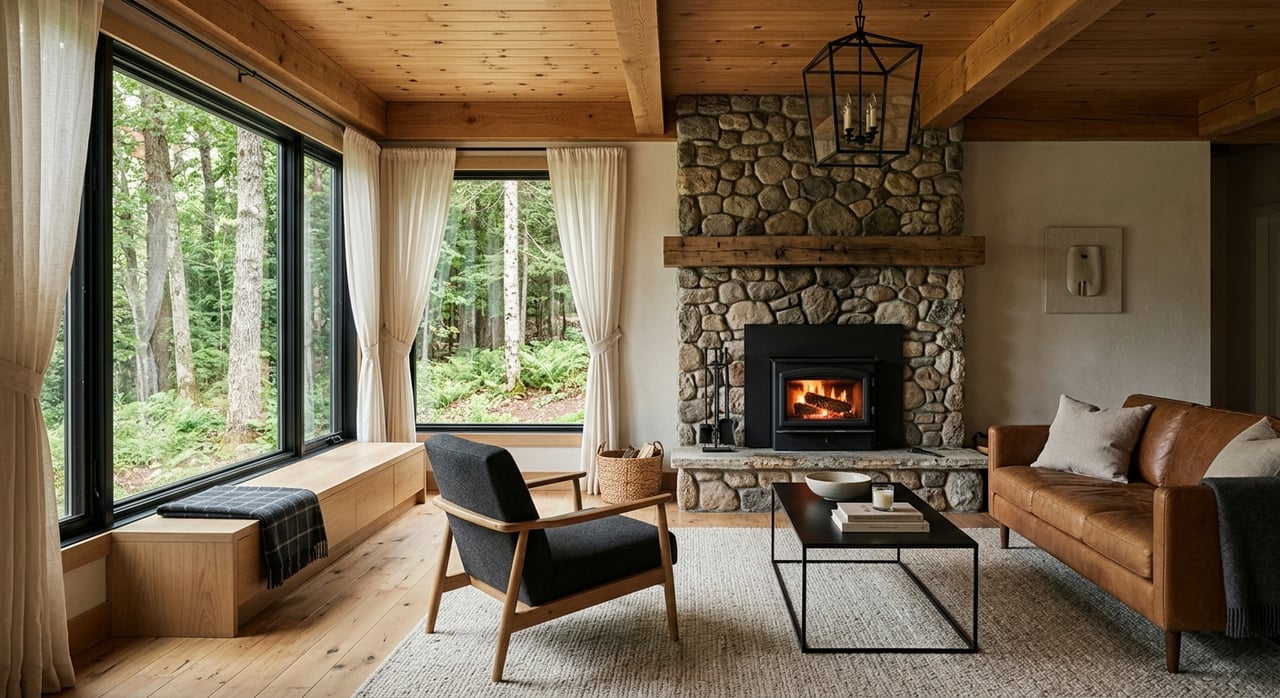
Buying a second home in McHenry can be exciting, but it also comes with a different set of questions than a typical home purchase. You are not just choosing a house. You are also choosing how close you want to be to Deep Creek Lake, how you plan to use the home through all four seasons, and whether you may want rental flexibility later. With the right prep, you can avoid surprises and make a more confident decision. Let’s dive in.
McHenry is shaped by recreation in a way many markets are not. Deep Creek Lake is Maryland’s largest impoundment at 3,900 acres, stretches 13 miles long, and has 69 miles of shoreline, according to the Maryland Department of Natural Resources. The same official source notes the area became a vacation destination with tourism amenities, and the area is known for year-round activity.
That matters when you shop for a second home. In McHenry, you are often weighing lifestyle factors alongside the property itself. Lake proximity, access to Wisp, winter usability, and future rental plans can all carry real weight in your decision.
Before you schedule tours, get clear on how you want to use the home. A second home for family weekends may have different priorities than a property you hope to rent out later. Your goals will shape everything from location to layout to budget.
Ask yourself a few practical questions:
A clear use plan helps you narrow the field faster. It also helps you avoid falling in love with a home that does not fit how you actually want to live in it.
In Garrett County, this is one of the most important early steps. The county says buyers can access more than 20,000 public records through its well and septic web map resources. That can help you understand a property before closing, though the county also notes that older records may be incomplete.
If a home has a private well or septic system, do not wait until the last minute to ask questions. The Garrett County Health Department says a new well cannot be used until a Certificate of Potability is issued. It also outlines that new sewage disposal areas require site plans, test holes, and setback compliance.
This matters for two reasons. First, you want to know the current status of the home’s systems. Second, if you hope to add on, reconfigure the home, or make other future improvements, those records may affect what is possible.
If the property is in the Deep Creek Watershed, permits are not just a small box to check. Garrett County says most new structures or land-use changes in the watershed require a zoning permit. The county also notes that lakefront lots in certain buydown and buffer areas are subject to both county and Maryland DNR rules, as explained on the Deep Creek Watershed zoning page.
For you as a buyer, that means future plans matter. If you are thinking about adding a deck, garage, driveway changes, or other site improvements, you will want to confirm how the parcel is regulated. A home that works for you today may still need a closer look if your long-term vision includes changes.
Second-home budgeting should go beyond your mortgage payment. Garrett County’s FY2026 real property tax rate is reported in the county budget as $1.0200 per $100 of assessed value in areas outside Mountain Lake Park. Maryland also explains in its homeowners guide that tax bills are issued in July and August and are effective July 1.
It is also important to separate assessed value from purchase price. Your tax bill is based on county and state tax rates and the property assessment, not just what you paid for the home.
Maryland properties are reassessed on a three-year cycle. The State Department of Assessments and Taxation says assessment appeals generally must be filed within 45 days of the notice date. If you buy between January 1 and June 30, Maryland also allows a review appeal within 60 days of transfer once the deed is recorded.
That timing can matter if you are buying mid-cycle. It is one more reason to stay organized during closing and make sure you know when the deed has been recorded.
A second home is usually budgeted differently than a principal residence. Maryland says only a principal residence is eligible for the Homestead Tax Credit, Homeowner’s Tax Credit, and semi-annual payment program.
If you are buying a getaway property in McHenry, plan your numbers as a non-primary residence unless you truly intend to make it your main home. This is a simple step, but it can help you avoid unrealistic budget expectations.
Many second-home buyers want flexibility, even if they do not plan to rent right away. In Garrett County, short-term rental use is governed by the county’s transient vacation rental unit rules. The county defines a TVRU as a residential property rented for 14 days or less and outlines licensing, occupancy, life-safety, parking, and trash requirements on its TVRU information page.
The county also states that TVRUs must use bear-proof trash containers, meet egress standards, comply with parking rules, pay an 8% accommodation tax, submit monthly reporting, and complete annual well testing. In short, a home that works well for your family may not automatically be rent-ready.
If rental potential is part of your long-term plan, ask these questions before you buy:
Even if you never rent the property, knowing the answers gives you a fuller picture of the home’s flexibility.
A lot of second-home buyers are purchasing from out of town. The good news is that Maryland allows remote online notarization. The Maryland Secretary of State says remote online notarizations became legal on October 1, 2020, and authorized remote notaries must use approved vendors when applicable.
That can make the closing process more manageable if you are not local. Still, it is smart to confirm the exact process with the title company early so there are no timing issues at the finish line.
When you walk through second homes in McHenry, the right questions can save you time and stress later. Keep this list handy:
Garrett County also offers emergency alerts and notifications, which can be useful when you own a property in an area affected by seasonal weather and location-specific advisories.
The best second-home purchases usually come down to preparation. In McHenry, that means looking past finishes and views long enough to understand private systems, zoning, taxes, assessment timing, and possible rental rules. Those details are not the flashy part of the process, but they are often what protect your investment and your peace of mind.
A calm, organized approach makes all the difference, especially if you are buying from out of town. When you know what to ask and what to verify early, you can enjoy the fun part of the search with fewer surprises later.
If you want a local guide who can help you think through the details and keep the process steady from first tour to closing, connect with Adam Murray. You deserve a second-home buying experience that feels clear, well-prepared, and low stress.
Stay up to date on the latest real estate trends.
Whether buying or selling, Adam Murray provides tailored guidance, expert advice, and hands-on support to help you achieve your real estate goals in Oakland, MD.