Lakefront Or Lake-Access In Swanton? How To Choose
March 12, 2026
March 12, 2026
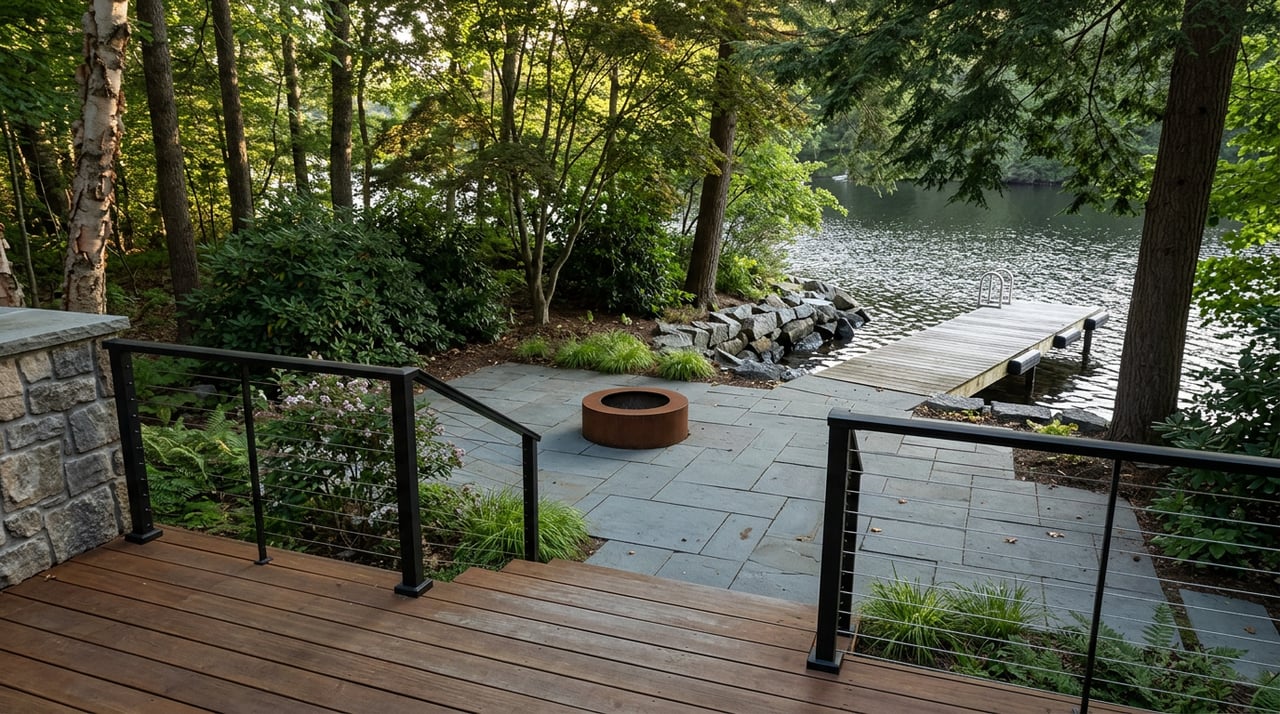
You can picture the morning already: coffee in hand, lake breeze on your face, and your boat a few steps away. The question is whether you need true lakefront to live that vision in Swanton or if a lake-access home will do the trick. If you are deciding between the two, the rules at Deep Creek Lake matter more than you might think. In this guide, you will learn the real differences, the cost and maintenance tradeoffs, how rentals and resale are affected, and a simple checklist to shop with confidence. Let’s dive in.
Deep Creek Lake looks like a typical mountain lake, but ownership and shoreline rules are different. The State of Maryland owns the lakebed and a shoreline buffer strip, and the Maryland Department of Natural Resources (DNR) manages use and permits around the lake. That is why terms like “lakefront” in Swanton usually mean you own to the buffer and may qualify to use it with a permit rather than owning the actual shoreline. You can read more about the DNR’s role and the Deep Creek Lake management area on the state’s Deep Creek Lake NRMA page and the lake ownership overview from the Maryland Department of the Environment.
In practical terms, here is what that means for you:
To place a private dock at Deep Creek, you apply for a Buffer Strip Use Permit, commonly called a BSUP. DNR issues and enforces these permits, including annual fees, approved dock types, and where docks can go. Private docks are typically floating and must be removed seasonally by the date set by DNR. Permit rules limit dock sizes and materials, and permits are annual. Most permits are not automatically transferable to a buyer, so you should verify the permit status and plan your own application after closing. For specifics, see the DNR’s regulations and permitting guidance and the lake’s management area page.
Lake-access properties in Swanton often share a community path, beach, or dock area. You still enjoy the lake, just with a slightly longer walk or a short drive to the access point. The upside is typically lower maintenance for you because an HOA or association usually manages the common space and the BSUP for community docks. Ask who holds the permit and what the rules are for slip assignment, storage, and guest use. You can confirm permit basics in the DNR’s Deep Creek permit resources.
If you plan to bring a boat only a few weekends a year or you value privacy over proximity, off-lake homes can be a smart play. You will use the public boat ramp and beach at Deep Creek Lake State Park and local marinas for rentals and services. Summer weekends can be busy on the water, so plan accordingly. For public access context and an overview of lake recreation, review DNR’s Deep Creek fishing and access page.
Views and immediate access are the big wins for lakefront, but they do not always mean privacy. Popular coves and areas near restaurants and marinas can have steady boat traffic on warm weekends. Lake-access communities often concentrate activity at the shared dock. Off-lake homes are usually quieter but trade away the waterfront amenity.
Deep Creek is a managed reservoir. Water levels can fluctuate based on hydroelectric operations and downstream flow targets, which can affect dock usability in shallow coves. It is common for some docks to sit high and dry in late season or during dry years. Learn how and why lake levels change on the Maryland Department of the Environment’s Deep Creek page.
Budget for the dock like you would for a roof or deck. Industry surveys suggest floating dock projects often fall in the thousands to tens of thousands of dollars, with many typical installs in the roughly 10 to 20 thousand dollar range, and wide possibilities based on size and features. You will also need to plan for seasonal haul-out, anchors or weights, lifts, and periodic repairs. For a sense of ranges, review this dock cost overview, then get local quotes for accurate numbers.
BSUP permits have application requirements and annual fees. DNR sets the timelines for seasonal removal and inspections and restricts the size and layout of docks. Before you buy, confirm the current permit status and what will be required after closing. The Deep Creek NRMA hub and regulations pages are the best places to start for permit basics and contacts and rules.
Shorelines change over time. Many owners invest in riprap, approved vegetation, or revetments to manage erosion, always with proper approvals. Deep Creek’s watershed planning documents note shoreline erosion and sedimentation as ongoing concerns, so build a reserve for shoreline work and permitting when needed. For context, see the county’s Deep Creek Watershed Management Plan.
Septic systems set practical limits for occupancy and renovation. Garrett County Environmental Health oversees permits, reserves areas for new systems, and recommends routine pumping. If you are planning to add bedrooms or operate as a vacation rental, verify the permitted septic capacity and condition. Start with county guidance on sewage disposal systems.
Flood risk at Deep Creek is parcel specific. Some shoreline addresses are not in a mapped FEMA flood zone, while others are. Always check the exact address on the FEMA Flood Map Service Center and talk to your insurance agent about homeowners, liability for docks and boats, and short-term rental coverage if applicable.
Garrett County licenses Transient Vacation Rental Units and sets life safety standards, occupancy rules, and accommodation taxes. If rental income is part of your plan, confirm the property can meet the TVRU requirements and that parking, egress, and other standards are in place. Read the county’s current TVRU licensing guidance and note that occupancy is typically calculated as two persons per bedroom plus four additional people.
Across many markets, research shows that proximity to water often commands a premium, with direct waterfront usually at the top, lake-access next, and off-lake view properties following. Results vary by season, neighborhood, water depth, and permit status, so local comps are decisive. For broad context, see this literature review on lake-adjacent value premiums in peer studies (waterfront value research summary). On the ground in Swanton, homes with current private-dock eligibility and deeper water moorage are typically easier to market to buyers who prioritize boating.
Use this list to keep your search focused and low stress. If you want, we can walk through these checks with you and coordinate the right calls.
Choosing between lakefront and lake-access in Swanton comes down to how you want to use the lake, your tolerance for maintenance and permits, and whether rental income or resale potential is part of your plan. With the right expectations and a clean checklist, you can make a confident call and enjoy Deep Creek the way you imagine.
If you would like a calm, hospitality-style game plan for your search, reach out to Adam Murray Real Estate. We will prep the details, line up the right questions for DNR and the county, and guide you from first showing to first swim.
Stay up to date on the latest real estate trends.
Whether buying or selling, Adam Murray provides tailored guidance, expert advice, and hands-on support to help you achieve your real estate goals in Oakland, MD.