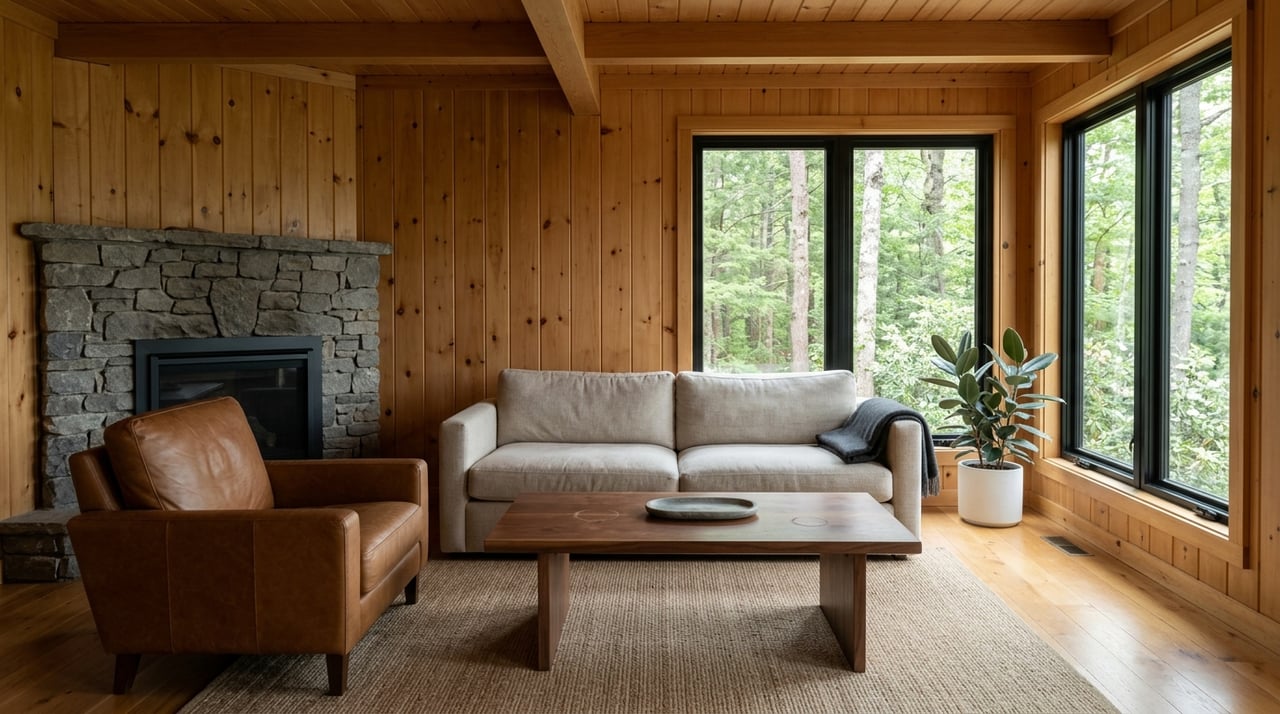
Selling A Cabin In Alpine Lake With Less Stress
July 9, 2026
July 9, 2026
Selling a cabin in Alpine Lake can feel simple at first glance, but resort-community sales often come with more moving parts than a typical neighborhood listing. If you are trying to sell with less stress, you need more than great photos and a price opinion. You need a plan for documents, timing, buyer questions, and closing details that are specific to Alpine Lake. Let’s dive in.
Alpine Lake is not just a standard residential subdivision. It is a four-season resort community in Terra Alta with a 150-acre lake, 18-hole golf course, hotel, lodge, restaurant, indoor pool, and trails. That resort identity shapes how buyers view homes there and what they want to know before making an offer.
Many buyers are not coming from right down the road. Alpine Lake markets itself as being close to Pittsburgh, Baltimore, Washington, D.C., and Morgantown, so out-of-town and second-home buyers are a normal part of this market. That means your sale may involve remote decision-making, extra questions, and more paperwork coordination from the start.
It also means buyers are often comparing more than the cabin itself. They are looking at the lifestyle, the amenities, the fees, and whether the property fits their plans for personal use, rental use, or both. A low-stress sale starts when you prepare for those questions early.
One of the best ways to reduce stress is to gather the Alpine Lake paperwork before your cabin hits the market. Alpine Lake operates as a private property-owners community, and all owners are members of the Alpine Lake Property Owners Association. The association sets yearly assessments and fees, and sellers should request the latest fee schedule and required resale information from the general manager or business office.
This matters because buyers want clear answers. If they ask about assessments, rules, or community requirements and those details are not ready, the sale can slow down fast. Having that information organized helps your listing feel more credible and keeps negotiations smoother.
If you have owned the property for a while, it is also smart to review any community-related records you already have. That can include past approvals, notices, or documents tied to the property. The more complete your file is upfront, the fewer surprises tend to show up later.
Cabin owners often make updates over time, especially to exterior spaces, driveways, and wooded lots. In Alpine Lake, the Environmental Control Committee reviews improvements to numbered lots and considers items like easements, tree removal, driveway placement, drainage, and color choices. The handbook also says permits are required for removal of trees over five inches in diameter, all new construction, and outdoor painting.
Before you list, take a close look at any exterior work that has been done. If you replaced siding, painted outside, removed trees, or adjusted driveway areas, it is worth checking whether the proper approvals were obtained. This is especially important if you bought the property after the work was completed and are not fully sure what was approved.
This step can save you from last-minute stress. If a buyer asks about past work, or if an exterior touch-up is needed before photos and showings, you do not want to find out too late that association clearance may be required.
If your Alpine Lake cabin has been used as a rental, get those records together before listing. The handbook says owners may rent their home short term or long term, but rentals must be registered through the resort portal. It also says Security must be notified of renters or guests through that portal.
For many Alpine Lake buyers, rental flexibility is one of the first things they ask about. Some are looking for a second home they can also rent at times, while others simply want to understand how the rules work. If you can provide a clean overview of your rental history, registration records, and any guest-use details, you remove friction from those conversations.
This is also helpful if your buyer is purchasing from out of town. Remote buyers often want a clearer picture of how the property has been used and managed. Organized rental information makes your cabin easier to evaluate and can help build trust during the offer stage.
One common mistake in resort listings is being too vague about what ownership includes. At Alpine Lake, amenities are split between owner-only and public-access or fee-based uses. Owners, guests, renters, hotel guests, and employees can use the beach, indoor pool, fitness center, trails, and courts, while boating, fishing, golf, and mini golf involve public access or fee-based options.
That distinction matters. Buyers often assume every resort amenity is included in the same way, and that is not always the case. If your marketing or showing conversation is too broad, it can create confusion later.
A less stressful approach is simple and factual. Explain the amenities clearly, avoid overpromising, and be ready to show which uses are owner-based and which may involve separate access or fees. That kind of clarity helps buyers feel informed instead of surprised.
Utilities are another Alpine Lake detail that can catch sellers off guard. Water and wastewater service are provided through ALPUC, which is a separate regulated utility. ALPUC says the water comes from three underground wells rather than the lake, and it also states that starting service requires a notarized application.
Buyers often ask how water and sewer work, especially if they are comparing Alpine Lake to other rural or resort properties. They may also ask about utility timing if they plan to close from out of town, use the cabin seasonally, or start cleanup and furnishing right away.
ALPUC also posts a current monthly minimum bill of $153.74 and a $15 turn-on fee. Requests to turn water on or off must be submitted in writing, not verbally. Those details may seem small, but they can matter during vacancy planning, move-out, and post-closing coordination.
Cabin buyers in Alpine Lake usually look beyond the purchase price. They want to understand the ongoing cost of ownership, especially if the property will be a second home. That is why it helps to be prepared for questions about assessments, utilities, and possible special costs.
The Alpine Lake handbook says operating assessments are set each spring and may not increase more than 10 percent annually, while special assessments can be imposed under special circumstances. Combined with the ALPUC monthly billing structure, that gives buyers a more complete picture of ownership costs.
When you answer these questions early and clearly, buyers feel more confident. That often leads to cleaner offers and fewer delays during due diligence.
In a market like Alpine Lake, buyers are often shopping for a lifestyle as much as a floor plan. They may be looking for a weekend retreat, a four-season escape, or a place that works for both personal use and guests. Your cabin presentation should help them picture that use without overcomplicating the space.
Focus on the features that support the Alpine Lake lifestyle. Clean up outdoor areas, make access points easy to see, and highlight practical spaces like decks, entry areas, storage, and gathering rooms. If your home works well for seasonal gear, lake days, or quiet weekends in the woods, those details matter.
This is where a hospitality mindset really helps. Think of preparing your cabin the way you would prepare for an important guest. When the property feels cared for, easy to understand, and ready to enjoy, buyers notice.
A lot of Alpine Lake owners are not full-time local residents. If you are selling from out of town, the key to lowering stress is simple: line up decisions early. That includes documents, utility timing, cleaning, property access, and any final maintenance items.
Because West Virginia requires agency disclosure in writing before a person signs a representation contract or a contract for the sale or purchase of real estate, communication and paperwork should be handled clearly from the beginning. A well-organized process helps you avoid scrambling when an offer comes in.
Remote sales tend to go better when nothing important is left until the last minute. If your goal is a smoother transaction, early coordination is your best friend.
Closing day should not be the first time you think about taxes or seller-side charges. In West Virginia, there is a state excise tax of $1.10 per $500 of value, plus an additional county excise tax that starts at 55 cents per $500 and can be increased by the county commission. A $20 fee also applies to transfers of real estate for consideration.
These costs are generally due when the deed is delivered, accepted, or presented for recording. Knowing that ahead of time helps you estimate net proceeds more accurately and reduces surprises late in the process.
If you are a nonresident individual or nonresident entity, there may be an added step. The person responsible for closing must file NRSR and withhold either 2.5 percent of the total payment or 4.58 percent of the estimated capital gain, unless an exemption applies. The West Virginia Tax Division notes that exceptions can include a principal residence transfer, so absentee owners should verify their status early.
If you want to simplify the sale of your Alpine Lake cabin, start here:
None of this is flashy, but it works. The smoother Alpine Lake sales usually come down to strong prep, clear communication, and fewer unanswered questions.
Selling a cabin here does not have to feel overwhelming. When you treat the process like a well-run plan instead of a last-minute scramble, you give yourself a much better chance at a cleaner, calmer transaction. If you want a steady, detail-focused approach to selling in Alpine Lake, Adam Murray is ready to help.
Stay up to date on the latest real estate trends.
Whether buying or selling, Adam Murray provides tailored guidance, expert advice, and hands-on support to help you achieve your real estate goals in Oakland, MD.